Understanding Electric Fence Energizers: Joules, Voltage and Sizing
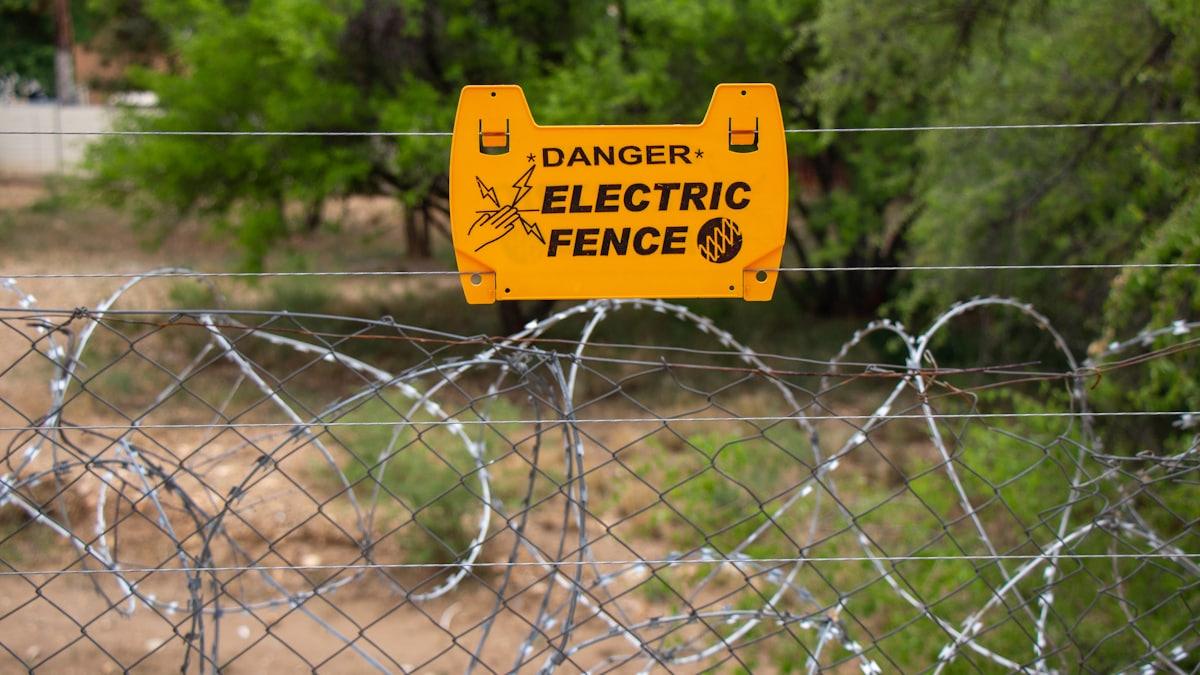
The energizer is the heart of an electric fence. How output energy in joules, not just voltage, determines how far and how effectively a fence performs.
Voltage Gets the Headlines, Joules Do the Work
Every energizer advertises a peak voltage — 8 kV, 9.5 kV — but that figure is measured on an open circuit with nothing touching the fence. What matters in the field is stored energy, measured in joules, because that is what pushes voltage down a long line and through vegetation, damp air and an intruder.
Sizing the Energizer to the Perimeter
As a working rule for Kenyan installations: allow roughly 1 joule of stored energy per 1.5–2 km of single strand, then add margin for the number of strands, expected vegetation load and future extensions. An undersized energizer on a long or overgrown fence produces a fence that tests fine at the controller and does almost nothing at the far corner.
Mains vs Solar
Mains energizers are cheaper and simpler where grid power is reliable. Solar energizers — a panel, a sealed battery and a low-draw energizer — keep the fence live through outages and suit remote farms and conservancies. Size the battery for at least three cloudy days of autonomy.
Earthing Is Half the System
An energizer is only as good as its earth return. Multiple galvanised earth rods, spaced and bonded, several metres from any building earth, are what complete the circuit through an intruder. Poor earthing is the single most common reason a new fence underperforms.